
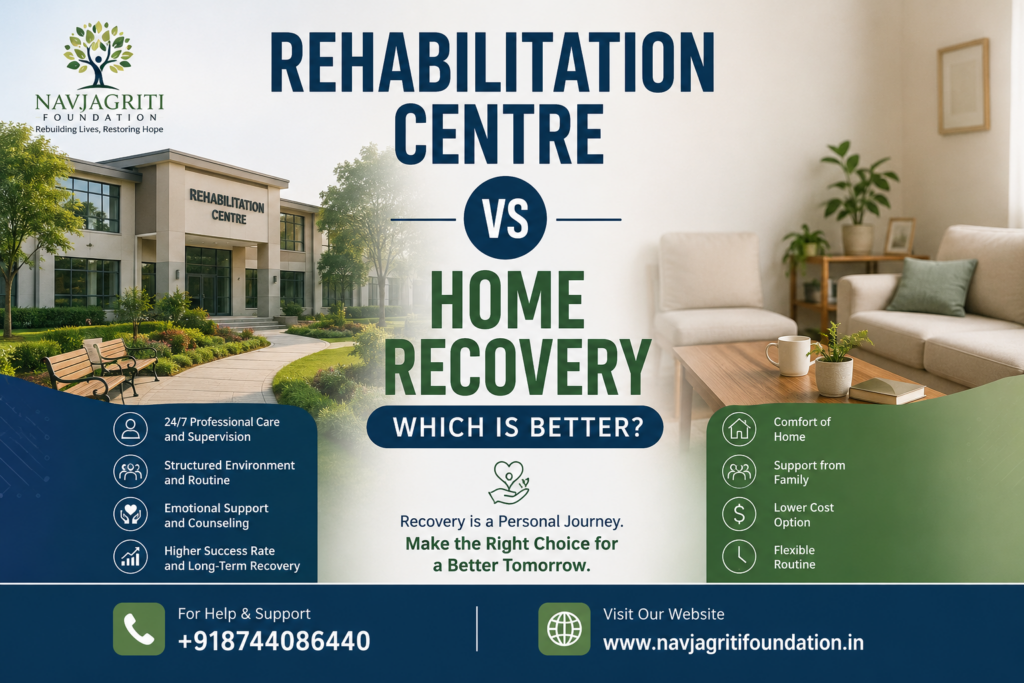
A Rehabilitation Centre is better for patients needing daily medical supervision, structured therapy, or addiction treatment. Home recovery works well for stable, low-risk patients with strong family support. The right choice depends on the medical condition, not personal preference alone.
Recovering from surgery, illness, injury, or addiction raises one big question for most families: should recovery happen at a professional Rehabilitation Centre, or at home? Both paths can lead to healing, but they suit very different situations. This guide breaks down the differences in plain language so you can make a safe, informed decision.
What Is a Rehabilitation Centre?
A Rehabilitation Centre is a medical facility where doctors, physiotherapists, nurses, and counselors work together to help patients regain strength, mobility, and independence after illness, surgery, injury, or addiction. It provides structured therapy, round-the-clock supervision, and access to specialised equipment that most homes don’t have.
A De Addiction Centre is a specialised rehabilitation facility dedicated to helping people recover from substance dependence. It combines medical detox, therapy, and behavioural counselling in a safe, controlled environment.
What Is Home Recovery?
Home recovery means healing at home instead of a medical facility, with support from family members instead of trained clinical staff. It suits patients who are medically stable, don’t need constant monitoring, and have manageable mobility or care needs.
Rehabilitation Centre vs Home Recovery: Quick Comparison
| Factor | Rehabilitation Centre | Home Recovery |
| Medical supervision | 24/7, by trained staff | Limited, family-dependent |
| Best suited for | Stroke, major surgery, addiction, spinal injury | Minor surgery, fractures, stable conditions |
| Equipment access | Specialised therapy equipment | Usually basic or none |
| Emotional support | Structured counselling and peer groups | Family-based, less structured |
| Relapse/complication risk | Lower, due to supervision | Higher, especially in addiction cases |
| Cost | Facility charges, but often all-inclusive | Appears lower, but hidden costs add up |
| Comfort factor | Clinical environment | Familiar, comfortable surroundings |
When Is a Rehabilitation Centre the Better Choice?
A Rehabilitation Centre offers the safest path when:
- The patient needs daily physiotherapy or medical monitoring
- Recovery involves stroke, spinal injury, or major surgery
- The condition involves substance addiction, requiring a De Addiction Centre setting
- There’s a risk of complications, relapse, or emergencies
- The family cannot provide consistent, trained care at home
When Does Home Recovery Work Best?
Home recovery is a good fit when:
- The condition is mild to moderate, such as a minor surgery or fracture
- The patient is medically stable and mobile
- A reliable support system is available at home
- Regular follow-up visits to a doctor are easy to arrange
Why Medical Supervision Makes the Biggest Difference
The core difference between the two options is safety through supervision. A Rehabilitation Centre has trained staff who notice warning signs early and respond immediately. At home, even attentive families may miss subtle symptoms of complications, delayed healing, or, in addiction cases, early signs of relapse.
Emotional Recovery Matters Too
Physical healing is only part of recovery. Many patients also deal with anxiety, low motivation, or fear of relapse. A Rehabilitation Centre typically includes structured counselling and peer support as part of daily care. At home, emotional support comes mainly from family, which is meaningful but often not enough for cases needing professional behavioural therapy, such as addiction recovery in a De Addiction Centre.
Cost: What Looks Cheaper Isn’t Always Cheaper
Home recovery often seems more affordable at first. But costs quietly add up — hiring a nurse, buying equipment, frequent doctor visits, or a family member missing work to provide care. Rehabilitation centres have treatment costs, but these often include medical care, therapy, meals, and essential support, making them a practical choice for people with complex recovery needs.
How to Decide: A Simple Checklist
Ask these questions before choosing:
- Does the patient need daily medical monitoring?
- Is there a risk of complications or relapse without supervision?
- Can the family safely manage care at home?
- Does recovery require specialised equipment or therapy?
If most answers point to “yes, professional care is needed,” a Rehabilitation Centre is the safer path. If the condition is stable and manageable, home recovery can work well.
Final Takeaway
There’s no universal “better” option — only the option that’s better for a specific patient. A Rehabilitation Centre offers structured, supervised healing for complex or high-risk cases, including addiction recovery through a De Addiction Centre. Home recovery offers comfort and familiarity for stable, low-risk cases. The safest decision always comes from a conversation with a doctor who understands the patient’s exact condition.
Frequently Asked Questions
1. Is a Rehabilitation Centre Better Than Home Recovery for Stroke Patients?
Yes, generally. Stroke recovery needs daily physiotherapy and medical monitoring, which a Rehabilitation Centre provides more safely than most homes can offer.
2. Can Addiction Recovery Happen Successfully at Home?
It’s risky. A De Addiction Centre offers medical detox and counselling that significantly lowers relapse risk compared to unsupervised home-based recovery.
3. How Long Does Rehabilitation Centre Treatment Usually Take?
Duration varies by condition, ranging from a few weeks for physical recovery to several months for addiction or severe injury rehabilitation programs.
4. Is Home Recovery Cheaper Than a Rehabilitation Centre?
Not always. Hidden costs like caregiving, equipment, and doctor visits can make home recovery just as expensive as facility-based care.
5. What Conditions Are Best Suited for Home Recovery?
Mild surgeries, minor fractures, and stable conditions with strong family support are generally well-suited for safe home recovery.